

Painting by Yourself? Here’s How to Do It Right
Thinking about giving your walls a fresh new look? This guide is for you. We’ve gathered a few simple and effective tips to help you get the job done easily, quickly, and smoothly - so you can enjoy impressive, professional-looking results all on your own.


Use Primer on Repairs
for a Smooth, Even Finish
Walls that require patching can sometimes appear blotchy—not because the paint isn’t uniform, but because the sheen or texture varies where filler or spackle was applied. These materials absorb paint differently, dulling the finish and creating a visible effect called “flashing,” especially noticeable when light hits those areas. Plus, the smooth texture of the repaired spot can contrast with the wall’s natural roughness. The solution is simple: apply a coat of primer before painting to ensure even absorption and a consistent look.
Keep a Wet Edge to Avoid Overlap Marks
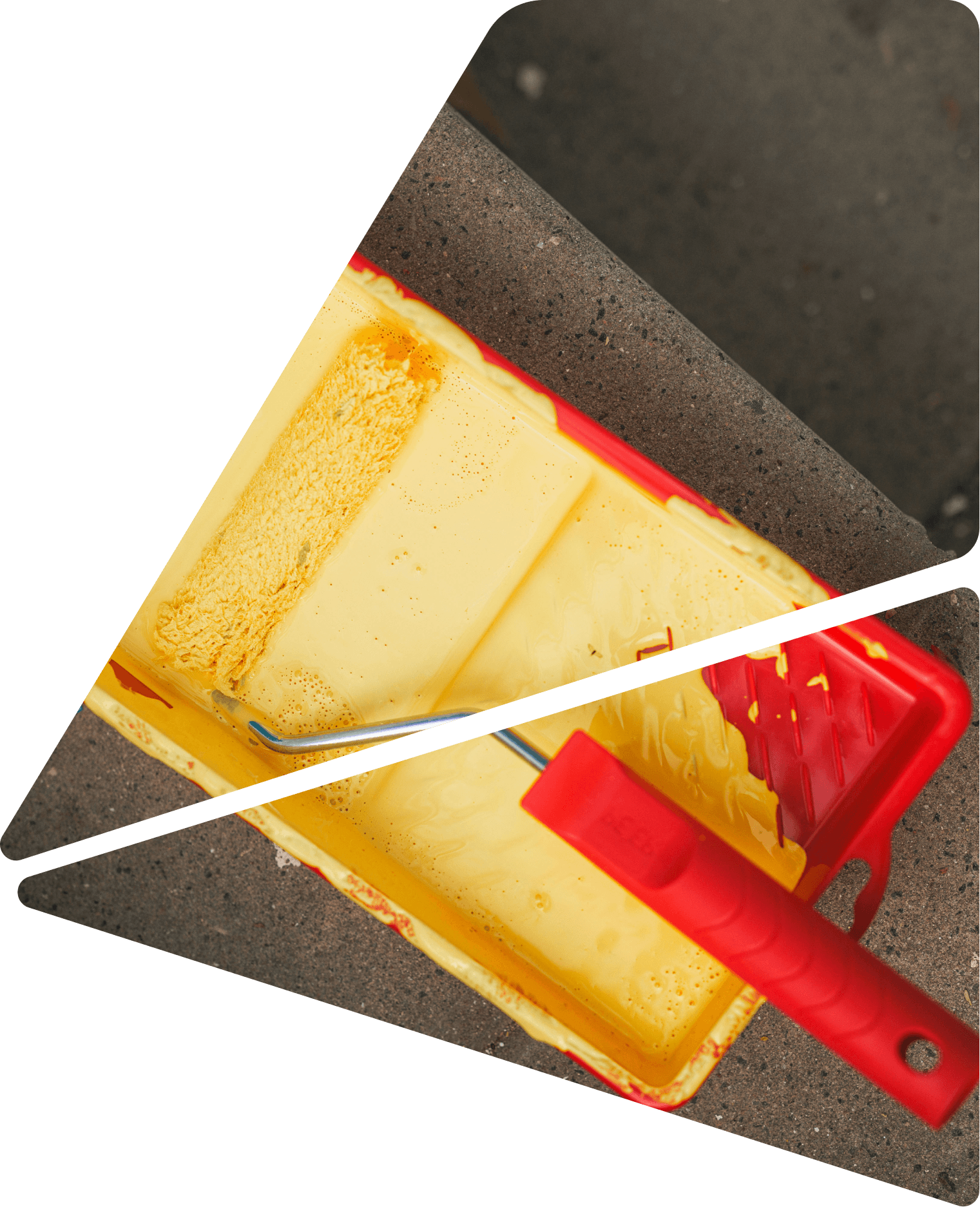
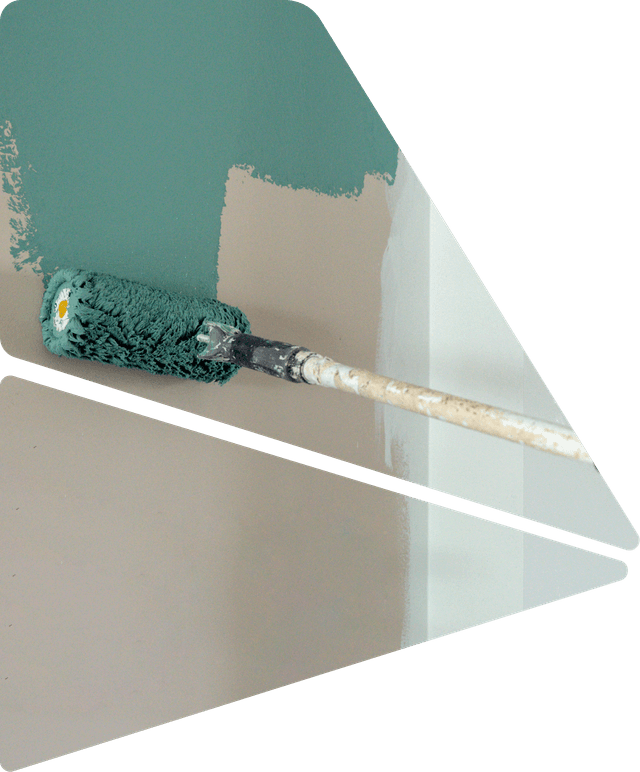
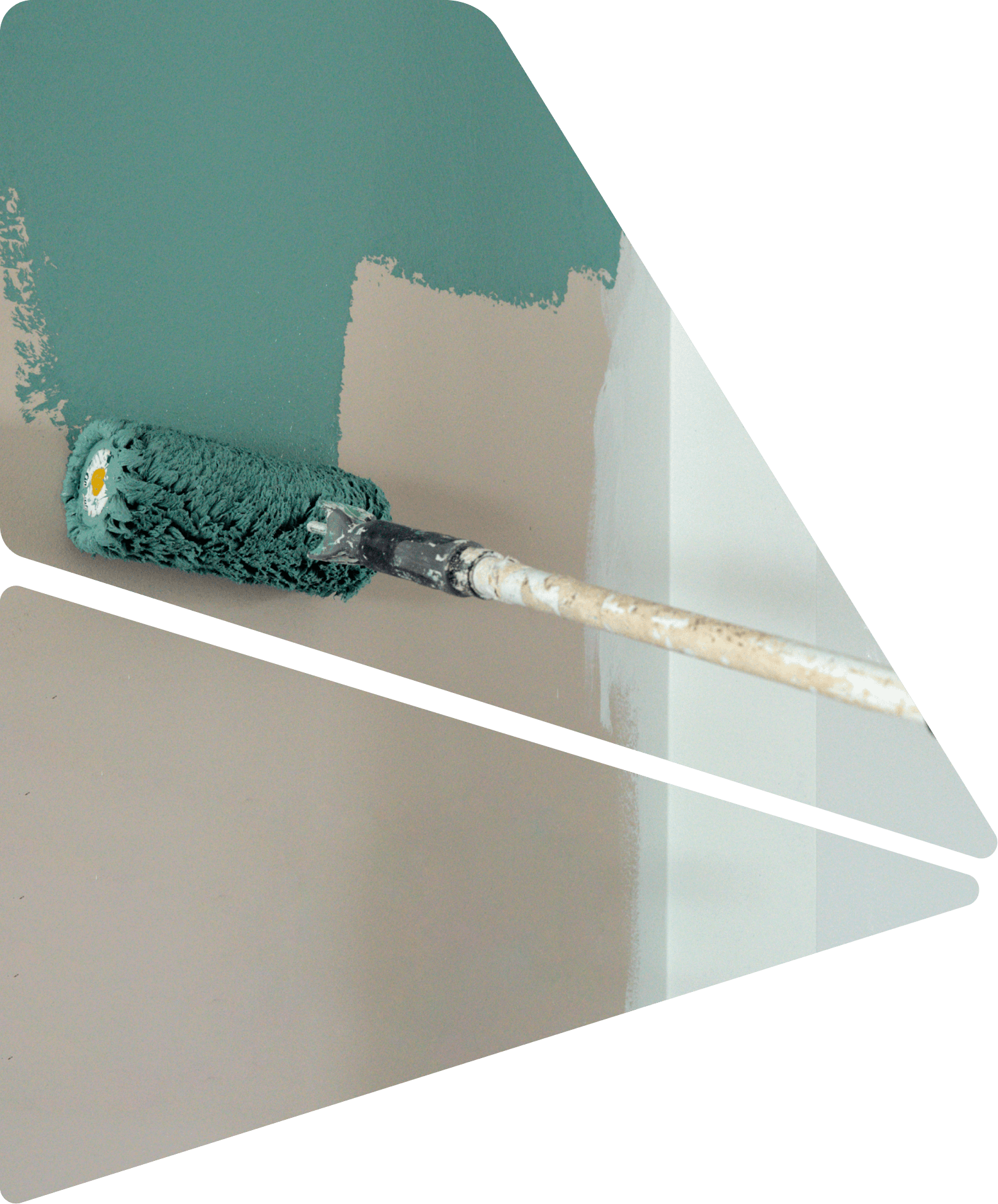
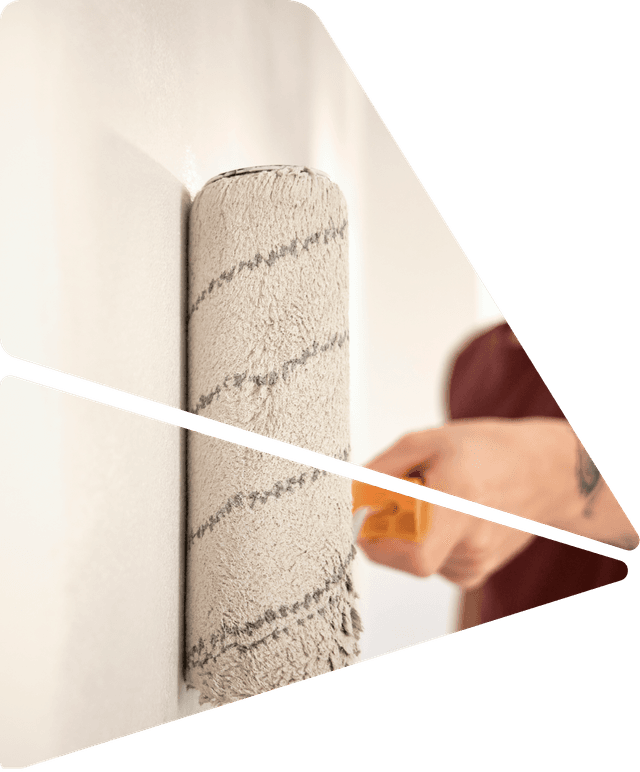
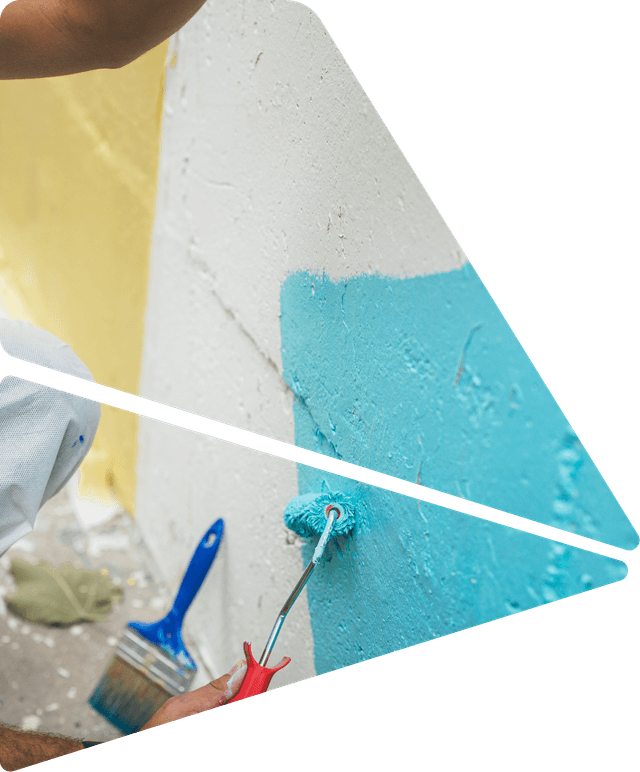
Overlap marks happen when you paint over areas that have already started to dry—something that can occur quickly in warm or dry conditions. That’s why it’s important to always maintain a wet edge. Each roller stroke should slightly overlap the previous one before the paint dries. Start near a corner and work in steady up-and-down motions along the wall, shifting sideways with each pass. Keep your roller loaded with paint and dip it frequently. Maintain a consistent rhythm, and you’ll achieve a smooth, seamless finish—just like the pros.
Wait for the Paint to Fully Dry Before Removing the Tape
Once the paint dries, you can’t just peel the tape off the wall. The paint forms a layer that bonds with the wall and tape, and pulling it off too soon can cause dry paint to tear. To avoid this, always score the edge first. Wait at least 24 hours for the paint to fully dry, then use a sharp utility knife to gently cut along the edge where the tape meets the paint. Start in a discreet spot to make sure the paint is dry and cuts cleanly. Pull the tape away at a 45-degree angle for a crisp, professional-looking finish.
Follow the Right Order: Trim First, Then Ceiling and Walls
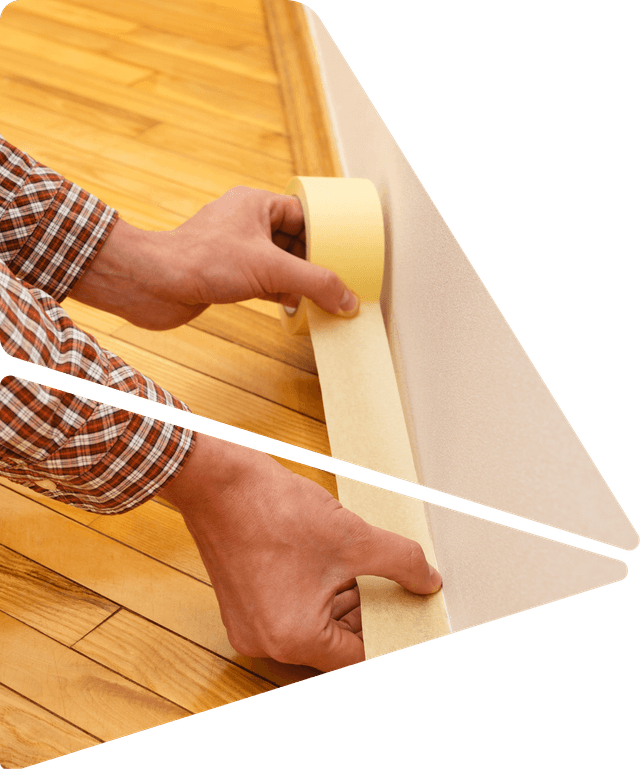
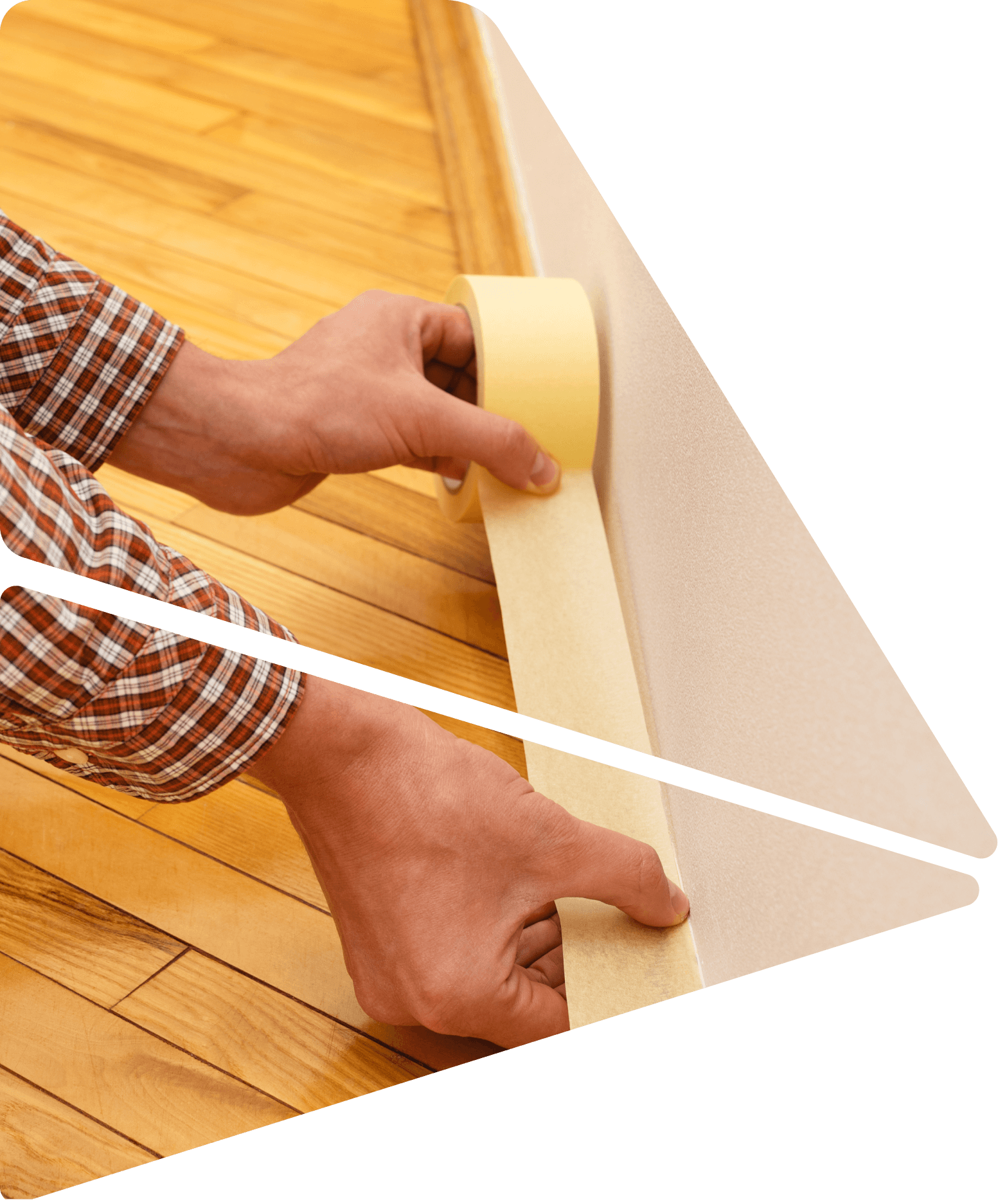
Professional painters follow a specific order when painting a room: first the trim (like moldings, frames, and baseboards), then the ceiling, and finally the walls. Why? Because it’s easier and faster to apply tape to trim than to walls—and trying to tape both at once can be tricky. Don’t worry about getting a little paint on the walls while painting the trim - you’ll cover it later when painting the walls. Once you’ve finished the trim, wait at least 24 hours for it to dry completely, apply easy-release tape, then move on to the ceiling, and lastly, paint the walls for a clean, professional result.
Use Fabric Drop Cloths
Instead of Plastic
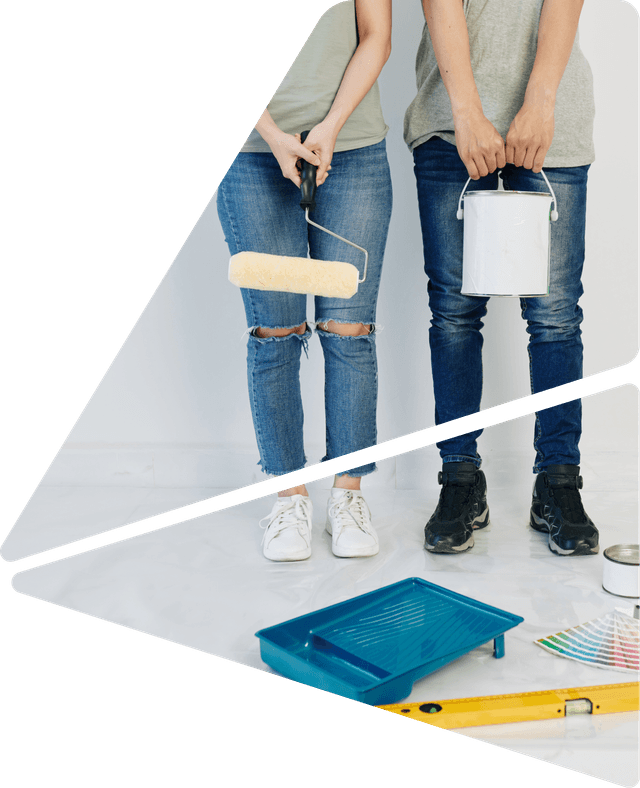
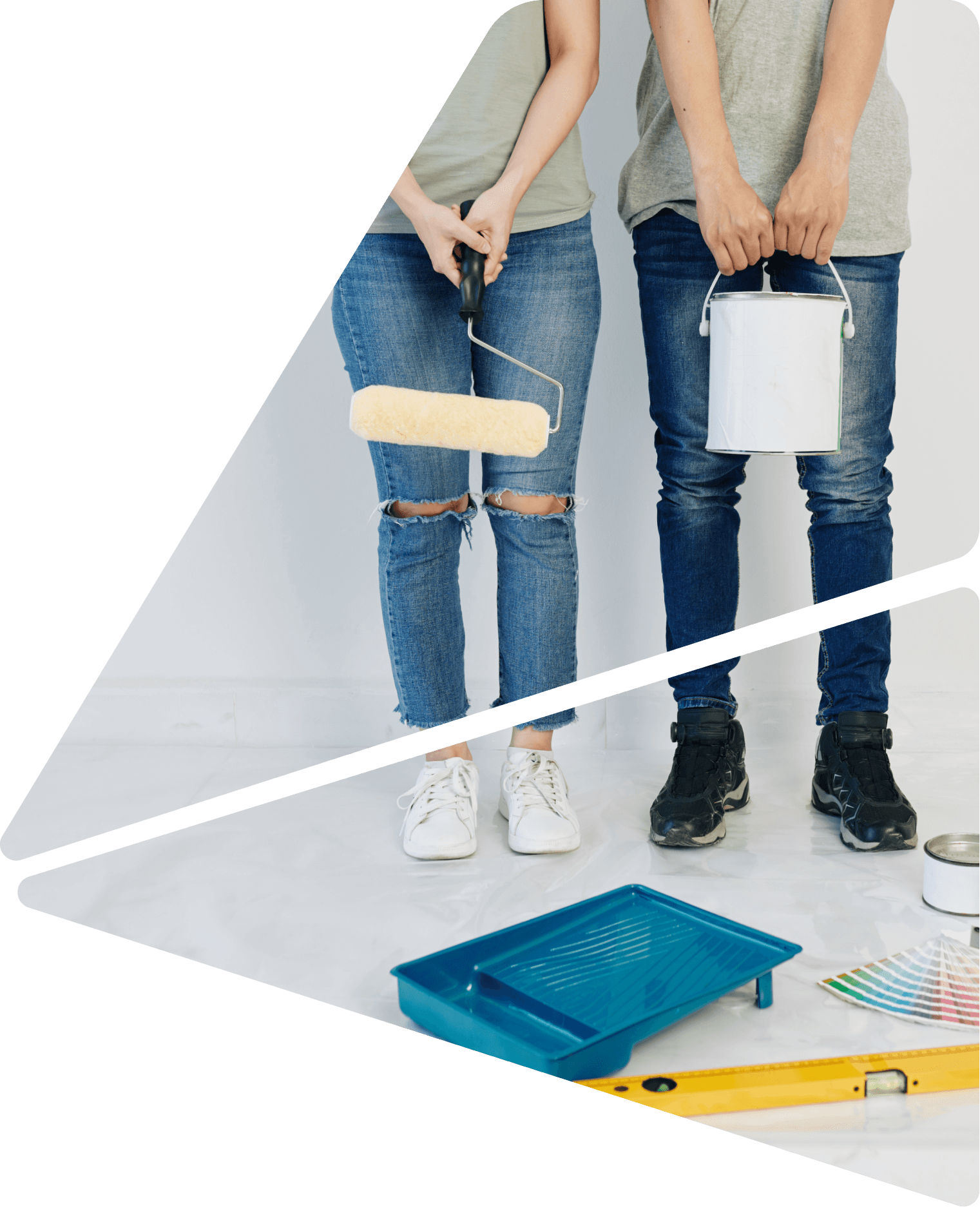
Paint drips are almost inevitable, even if you're careful. While plastic sheets are common, we recommend using thick fabric drop cloths instead. They stay in place without slipping, don’t require taping, and work well on any surface. Plastic, on the other hand, is slippery, unsafe for ladders, and tends to move around. Whichever option you choose, be sure to wipe spills immediately - paint can seep through if left too long.
Invest in a Roller Extension Pole
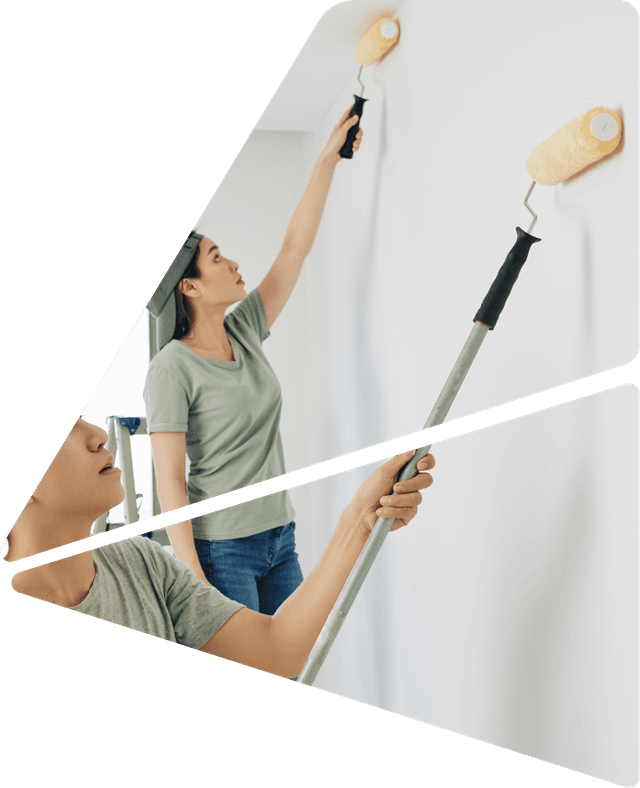
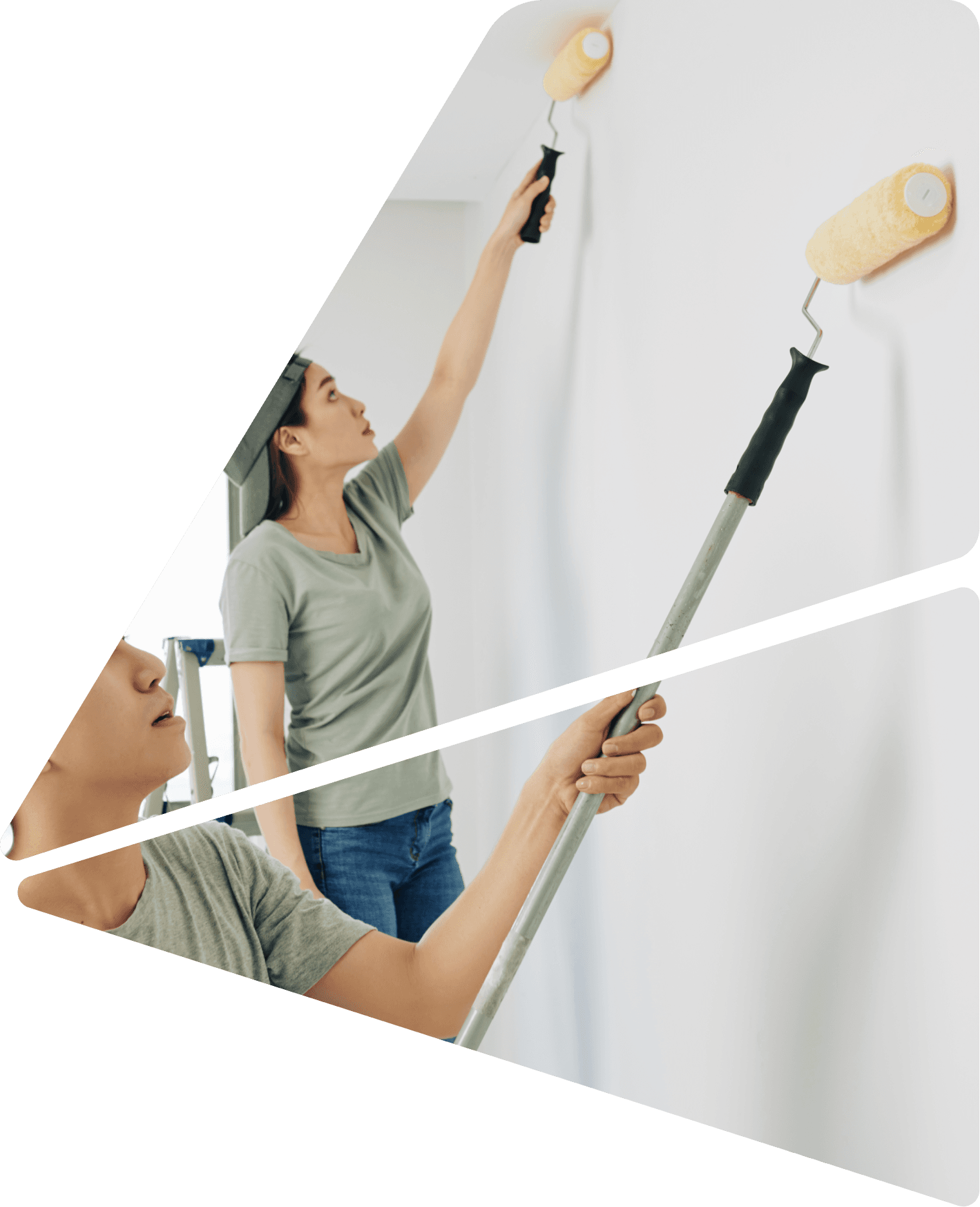
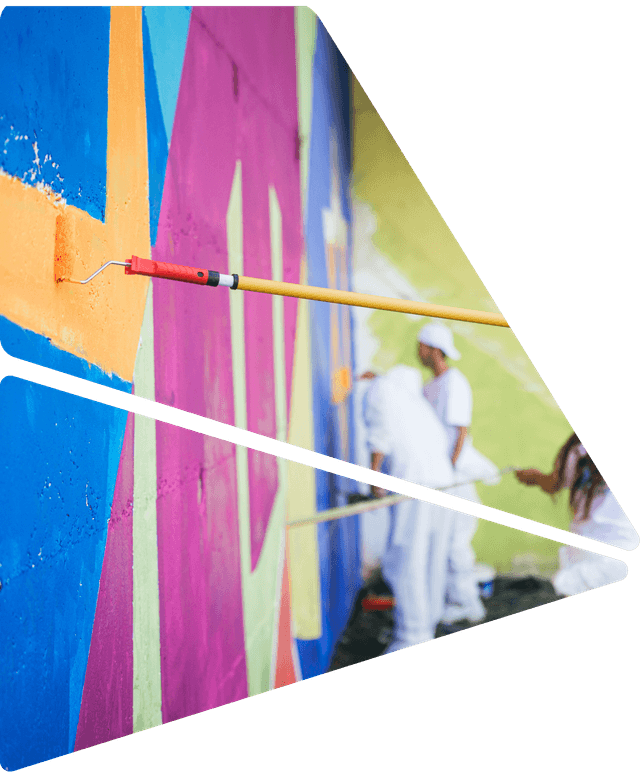
Skip the hassle of balancing on a ladder and make your painting job easier with a roller extension pole. Today, you can find poles in various lengths, so be sure to choose one that matches the height of your ceiling. With an extension pole, you’ll be able to paint smooth, continuous strokes from floor to ceiling - achieving a flawless, uniform finish, without overlap marks.
Keep Your Paintbrush or Roller From Drying Out
Between coats, you’ll usually wait 1–4 hours. If you leave your brush or roller exposed, the paint can dry, harden, and ruin your finish. To prevent this, wrap them tightly in plastic wrap with no air pockets. Aluminum foil works too. For longer breaks or overnight, slip the wrapped brush or roller into a sealed plastic bag and pop it in the fridge. The cold slows the drying process. Just let them return to room temperature before painting again.
Two Thin Coats Are Better Than One Thick Coat
Apply two thin coats of paint instead of one thick layer for better durability, a smoother look, and even coverage. Thin coats stick to surfaces more effectively, dry faster, and reduce the risk of drips, brush marks, and peeling over time. Dip your brush or roller into a moderate amount of paint, work in small sections with steady pressure, and follow the manufacturer’s recommended drying times (usually 1–4 hours between coats) for optimal results.
Cover Your Paint Tray with Aluminum Foil
Want to save time on cleanup after painting? Line your paint tray with a few layers of aluminum foil before you start. This trick is especially handy when using multiple colors: finish one color, pour the leftovers back into the can, toss the foil, and reline with a fresh sheet. Simple, convenient, and a big mess-saver!
Match the Paint to the Condition of the Wall
Most painting mistakes stem from choosing the wrong type of paint or from insufficient surface preparation. It’s important to select the paint according to the required washability level, coverage ability, and desired finish. For example, painting a new wall requires a bonding primer followed by two coats of acrylic paint; for ceilings, it’s best to choose a matte finish that helps hide imperfections; in humid rooms, opt for a paint that prevents mould formation; and in children’s rooms, make sure to use a “green paint” with low volatile organic compounds (VOC).